Source Heavyweight Acid Wash Rhinestone Hoodies for Streetwear
Find 30 options for heavyweight acid wash rhinestone hoodies tailored for streetwear brands. Compare oversized fits, cotton blends, and custom graphic prints to source durable pullovers for seasonal collections; compare the available evidence and request quotations based on your requirements.
Key considerations
Products List


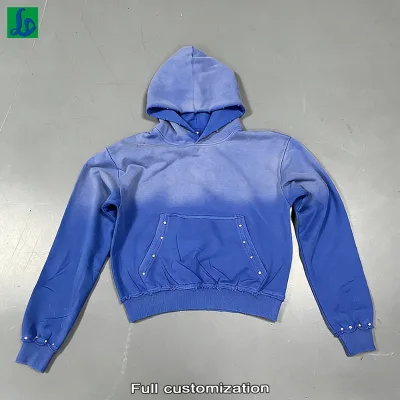
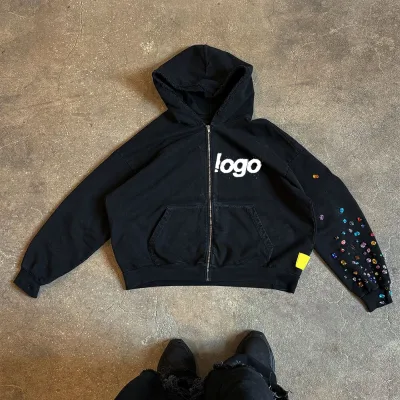
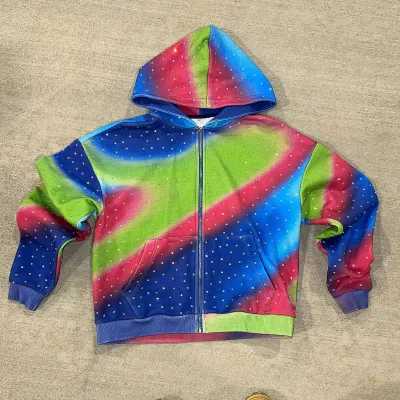


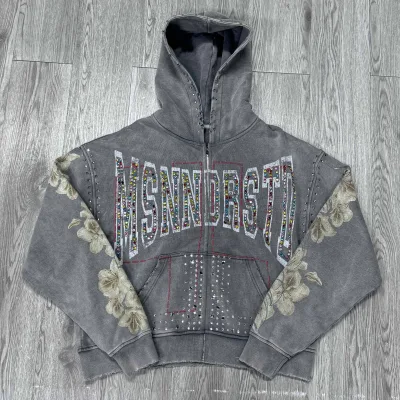
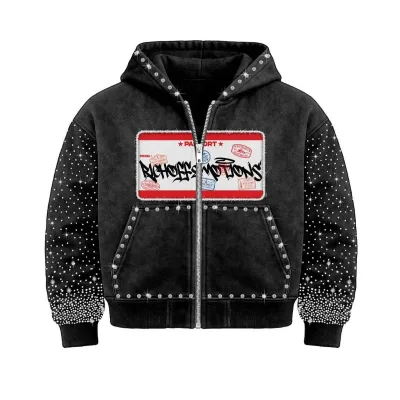
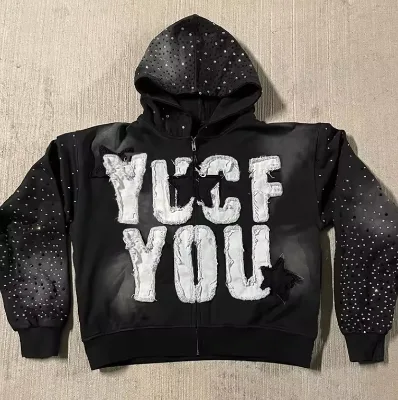
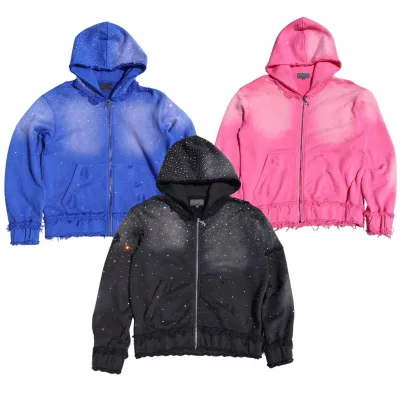
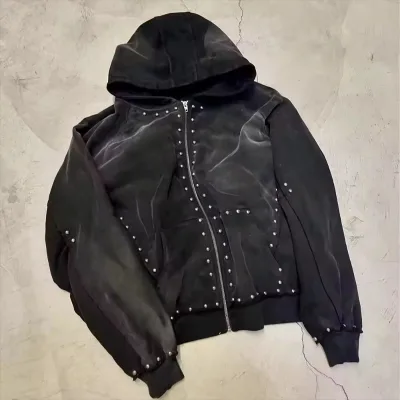


Comprehensive Sourcing Guide
Heavyweight Acid Wash Rhinestone Hoodies Sourcing Guide
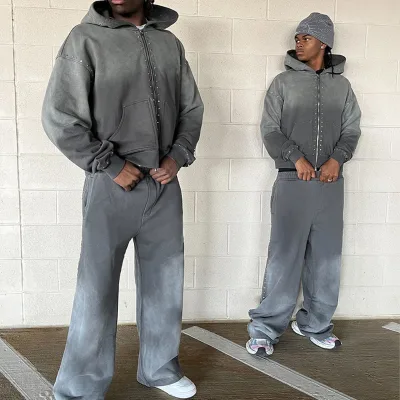
Buyers targeting this niche must first distinguish between standard pullovers and specialized streetwear pieces that feature heavy fabric weights and decorative embellishments. The observed product data indicates a strong presence of oversized fits with kangaroo pockets, often utilizing cotton or fleece blends weighing between 400 and 500 grams. This substantial fabric weight is critical for achieving the desired drape and durability associated with high-end streetwear, ensuring the garment maintains its shape after repeated washing cycles.
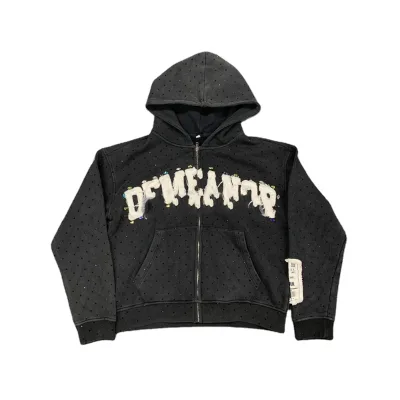
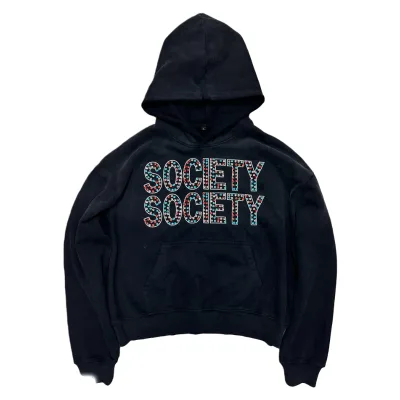
Procurement teams should verify that the specific listing supports the requested acid wash and rhinestone customization, as these are distinct technical processes. While the data confirms the availability of digital printing, puff printing, and various embroidery techniques, the specific application of rhinestones requires a supplier with experience in garment embellishment. Buyers must explicitly confirm that the supplier can handle the added weight and structural stress of these decorations without compromising the integrity of the heavy cotton or velour base material.
Product Scope and Observed Listing Signals
The market for these garments is characterized by a diverse range of graphic patterns, including animal prints, cartoon characters, and hand-painted designs that align with Y2K and hip-hop aesthetics. Listings frequently specify a hooded collar and regular or short length options, though the core demand often centers on the oversized silhouette that defines the current streetwear trend. Buyers should expect to see a variety of colorways such as blue, pink, black, and white, which serve as the canvas for the acid wash effect and subsequent decorative applications.
When evaluating listings, it is essential to note that while many products offer customization, the specific combination of heavy fabric and rhinestone detailing may not be standard across all SKUs. The observed data shows a mix of model numbers and packing specifications, indicating that suppliers often operate with flexible production lines. Buyers must carefully cross-reference the listed fabric type, such as cotton or fleece, with the required weight to ensure the final product meets the intended premium feel and visual impact of the acid wash finish.
Technical Specifications to Verify
Fabric composition and weight are the primary technical parameters that define the quality and performance of these hoodies. The supplied facts confirm that materials range from 100% cotton to blends including velour, fleece, and jersey, with weights explicitly noted between 400 and 500 grams. Buyers must verify that the specific order matches the desired weight class, as lighter variants may not support the heavy rhinestone application or the structural requirements of the acid wash process effectively.
Construction details regarding the collar, pockets, and sleeve style also require strict verification to ensure consistency with the brand's design intent. The data highlights the prevalence of kangaroo pockets and hooded collars, but the specific stitching techniques for attaching heavy embellishments must be confirmed. Buyers should request technical sheets detailing the needle detection capabilities and the specific washing methods used, such as bleach wash or garment dyeing, to ensure the final product meets the required durability and aesthetic standards.
Compliance and Safety Documentation
Safety compliance is paramount when sourcing garments with heavy embellishments like rhinestones, which can pose choking hazards or detachment risks if not securely attached. Buyers must request documentation confirming that the supplier adheres to needle detection protocols, as the supplied facts explicitly mention this capability. This verification ensures that no metal fragments from the rhinestone setting or manufacturing tools remain within the finished garment, protecting the end consumer from potential injury.
Environmental and chemical safety standards are equally critical, particularly for acid wash processes that involve strong chemicals. Procurement teams should verify that the supplier follows eco-friendly practices and provides test reports for colorfastness and chemical residues. The observed features include claims of being anti-wrinkle and breathable, but these must be backed by third-party testing data to validate the performance claims and ensure the product meets international safety regulations for textile imports.
Cost Drivers and Commercial Terms
The cost of these hoodies is significantly influenced by the heavy fabric weight and the complexity of the customization processes involved. Listings indicate a price range of 6.8 to 29.8 USD, which likely reflects variations in fabric weight, the density of rhinestone application, and the specific printing or embroidery techniques used. Buyers should anticipate higher unit costs for orders requiring 450-gram fabrics and intricate hand-painted or 3D designs compared to standard printed options.
Commercial terms such as minimum order quantities and lead times are also key factors in the total cost of ownership. The observed MOQ ranges from 30 to 100 units, with sample order lead times as short as seven days, suggesting a flexible but potentially higher-cost structure for small batches. Buyers must negotiate clearly on packaging standards, as the data shows variations from single items to box packing, which impacts shipping costs and the final retail presentation of the product.
Supplier Qualification and Quality Control
Supplier qualification should focus on their ability to manage complex customization workflows, including the integration of multiple decorative techniques like flocking, embroidery, and rhinestone setting. The data indicates that suppliers offer OEM services with a wide array of technical capabilities, from tie-dye to automated cutting. Buyers must assess the supplier's track record in handling heavy-weight garments to ensure they have the necessary machinery and expertise to prevent fabric distortion during the washing and embellishment processes.
Quality control protocols must be rigorous, specifically targeting the durability of the rhinestone attachments and the consistency of the acid wash finish. Buyers should implement a pre-shipment inspection plan that checks for loose stones, uneven dyeing, and stitching integrity. The presence of needle detection in the supplier's process is a positive indicator, but it should be complemented by physical inspections of the finished goods to verify that the heavy embellishments do not compromise the garment's overall structure or comfort.
Long-Term Procurement Checks
Establishing a long-term partnership requires regular audits of the supplier's ability to maintain consistent quality across large production runs. Buyers should monitor the consistency of fabric weight and colorfastness over time, as variations in the acid wash process can lead to significant quality drift. Regular sampling and testing are essential to ensure that the heavy fabric and decorative elements continue to meet the original specifications and performance expectations.
Supply chain resilience is another critical area for long-term management, particularly given the specific nature of the customization required. Buyers should verify the supplier's capacity to handle fluctuating demand without compromising lead times or quality standards. Maintaining open communication regarding design updates and material sourcing will help ensure that the supplier can adapt to changing market trends while delivering the high-quality, heavyweight hoodies that define this specific streetwear category.
FAQs
What fabric weight options are available for these hoodies?
Heavyweight acid wash rhinestone hoodies are available in multiple fabric weights, including 400, 420, 450, and 500 grams. These options allow buyers to select the desired thickness and warmth level for their specific seasonal requirements, ensuring the product meets the intended comfort and durability standards for the target market.
Can I customize the logo position and printing method?
Yes, customization is available for logo placement and printing techniques. The logo can be positioned on the front, and various printing methods such as digital, discharge, puff, or heat-transfer printing are supported. This flexibility allows brands to achieve unique visual effects and maintain consistent brand identity across their apparel collections.
What is the typical lead time for sample orders?
Sample orders for these hoodies typically require a lead time of seven days. This rapid turnaround supports efficient product development and approval processes. Buyers can request samples to verify fabric quality, fit, and customization details before committing to larger bulk production runs, ensuring alignment with their quality expectations.
Which sizes and fit types are offered for these pullovers?
These hoodies are offered in sizes S through 2XL with both oversized and loose fit types. The regular length design ensures a versatile silhouette suitable for streetwear and hip-hop styles. This range accommodates various body types and style preferences, making them adaptable for diverse consumer demographics and fashion trends.
Are these hoodies made from 100% cotton material?
Yes, the hoodies are constructed from 100% cotton material, providing breathability and comfort. The fabric type may also include cotton blends like fleece or velour depending on the specific style. This natural material choice supports eco-friendly claims and ensures a soft hand feel, which is essential for premium casual wear.
What is the standard packaging size for single items?
The standard single package size is 30x30x10 cm, with a gross weight of 1.000 kg. This compact packaging facilitates efficient storage and shipping logistics. Buyers can expect consistent packaging dimensions that optimize container space and reduce freight costs, ensuring safe delivery of the hoodies to their designated distribution centers.